
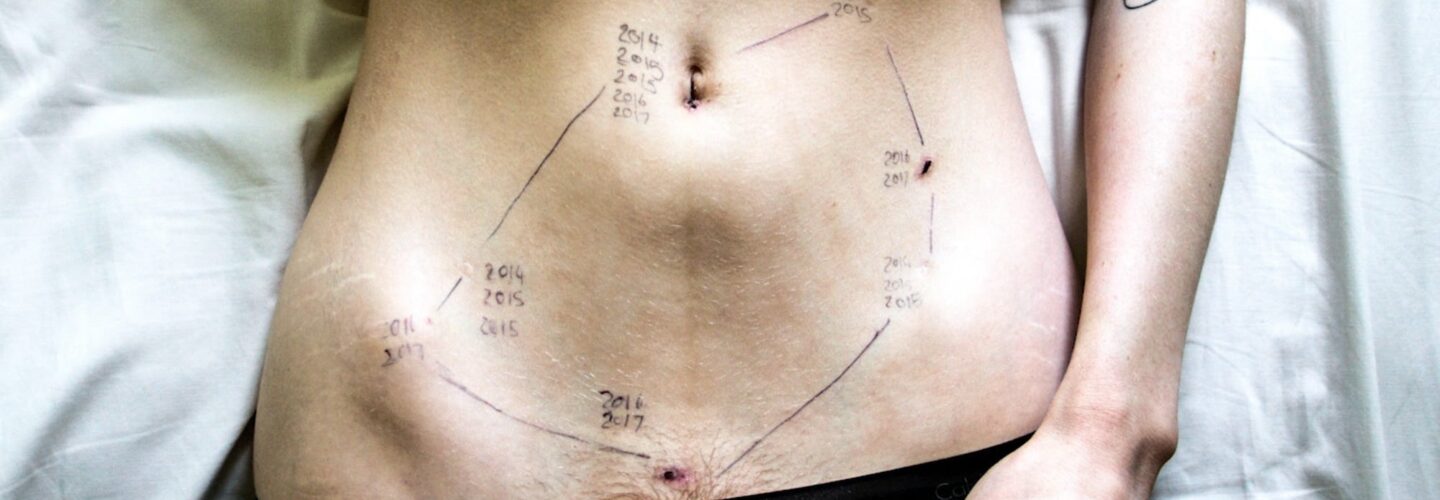
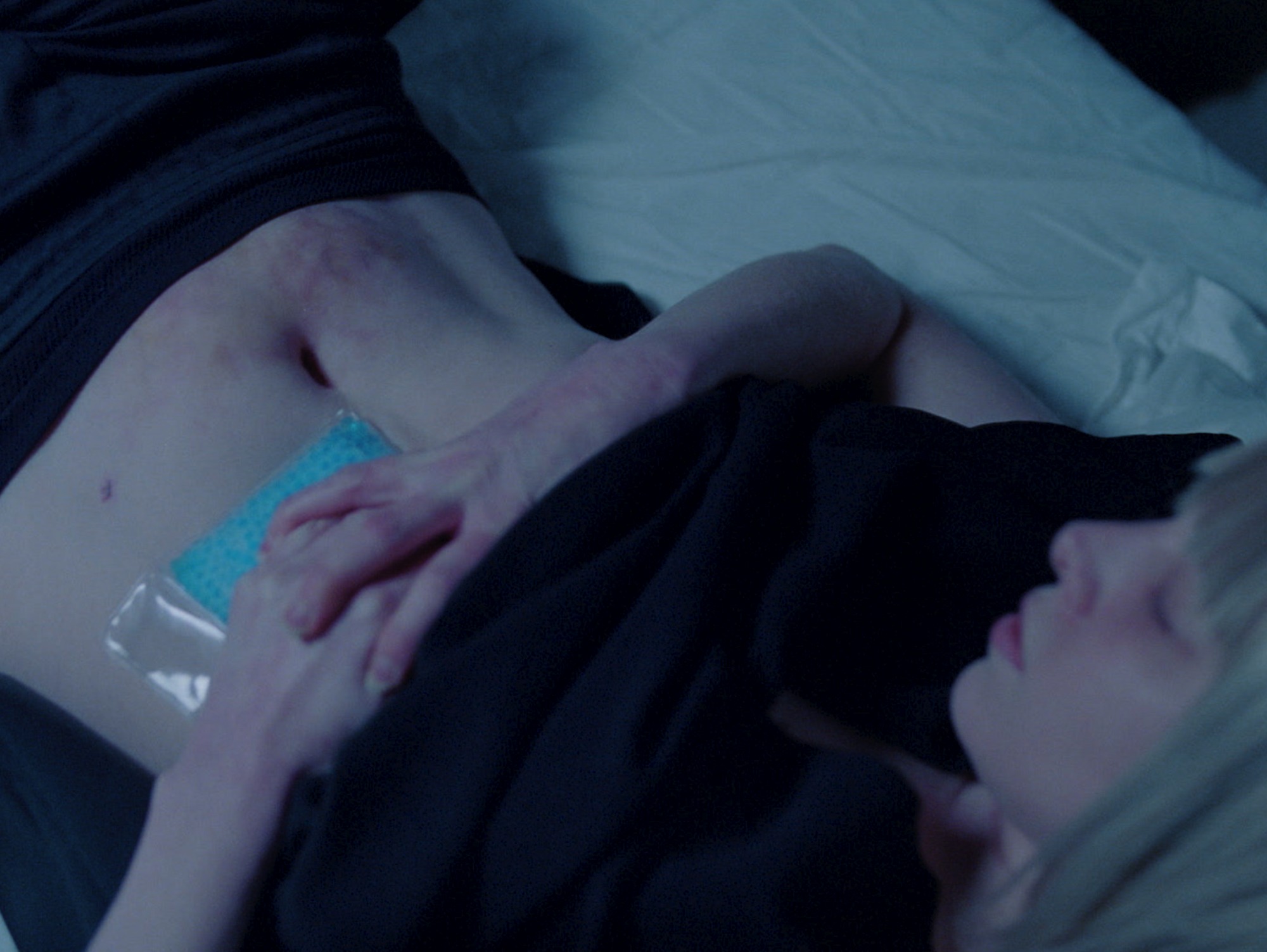
As noted in our recent interview with Huiju Park for Welcome Home Freckles, documentary shorts have regularly been the underdog in the BAFTA Best British Short Film category—so to see two non-fiction films among this year’s nominees feels like a meaningful shift. What strikes me most is the nature of the work that’s broken through: both films are acts of radical intimacy, women turning the lens toward their own bodies, their own histories, their own pain, refusing the observational distance documentary sometimes hides behind. This Is Endometriosis sees Georgie Wileman and Matt Houghton (who last joined us on DN with his award-winning short Landline) excavate a decade of living with a disease that affects roughly one in ten women yet remains chronically underfunded, under-researched, and all too frequently disbelieved. What makes the film formally striking is its insistence that chronic pain cannot be communicated through conventional documentary structure. Time fractures, loops back, blurs between memory and present—because that is precisely how endometriosis is lived. Days collapse into hospital visits, years disappear into cycles of hope and surgical recovery, and the sufferer becomes unmoored from the linear progression healthy bodies take for granted.
This formal disorientation serves a pointed purpose. When your pain is invisible, when doctors’ notes contradict your lived reality, when you’re told you look fine on days you cannot leave the house, traditional documentary’s faith in objective observation starts to feel inadequate, even complicit. By embracing fragmentation rather than fighting it, the filmmakers create evidence of a different kind: not clinical proof, but embodied truth. Wileman’s still images punctuate the film at varying rhythms—some held long enough to become portraits of endurance, others flashing past in near-subliminal accumulation—building a visual grammar for an experience that has long resisted representation. As part of our BAFTA-nominated shorts interview series, we spoke with Wileman and Houghton about how constraints became the film’s creative engine, the tension between documentary truth-telling and expressive reconstruction, and what it means to make a film that embodies the very condition it depicts.
Upon deciding to work together, can you trace creative decisions—structural, visual, or temporal—that emerged directly from the limitations you faced, and how those constraints paradoxically enabled you to capture something about endometriosis that might have been impossible under different circumstances?
Georgie Wileman: Living with endometriosis is limiting in all sorts of ways, it’s hard to even identify them all. It creeps into every part of your life. When I first spoke to Matt about making a film together, we talked at length about those limitations, but I don’t think any of us ever anticipated the rollercoaster that we’ve all been on to get this film made. At the very start, I was in a really good place health-wise, and our intention was to tell an uplifting story of community from the perspective of someone who had essentially come out the other side.
But mid-way through, my health crashed and the process of making the film became weighed-down by all sorts of new challenges. I’m so grateful for the amazing team around me who were able to adapt and turn those limitations into something so creative. I think what we ended up with is a film that feels so true to the endometriosis experience, not only with what it’s saying but also with how it was made.
Matt Houghton: Yeah, exactly. The whole project has been defined by its restrictions. Georgie’s right, we all went through some very tough times together but I’m also a huge believer in the power of restrictions as a catalyst for creativity. For me personally, it’s the moments when something begins to feel impossible that so often true creativity kicks in. Once it dawned on us that we simply couldn’t make this film in a conventional way, we were forced to find unexpected ways to approach it. The film has a fractured texture to it, where the conventions of time and space are challenged and reformulated through Georgie’s eyes – and that all came from circumstance. In hindsight, it’s probably the strength of the film: that it responds to Georgie’s disease not only in content but also in form.
I think what we ended up with is a film that feels so true to the endometriosis experience, not only with what it’s saying but also with how it was made.
Georgie, when you began documenting yourself during periods of severe illness, did you have any conception of what this footage would eventually become?
GW: The instinct to document my pain began because I knew that what the media was saying about endometriosis wasn’t the reality that I was living. And as I met and photographed others, I gradually found out that they felt the same. I felt a duty as a photographer because showing the truth felt critical to letting others know that they weren’t alone. Documenting the reality of endometriosis has always felt like a way to protest the many many injustices that those with the disease are subject to and highlight the importance of real change. So when I first started taking photographs, I wasn’t thinking too hard about where they might end up at all, it was a desire to be seen and an act of solidarity. Later down the line, I did start recording important moments on my phone just in case we needed them for the film, but we tried hard to keep them honest and in-the-moment.
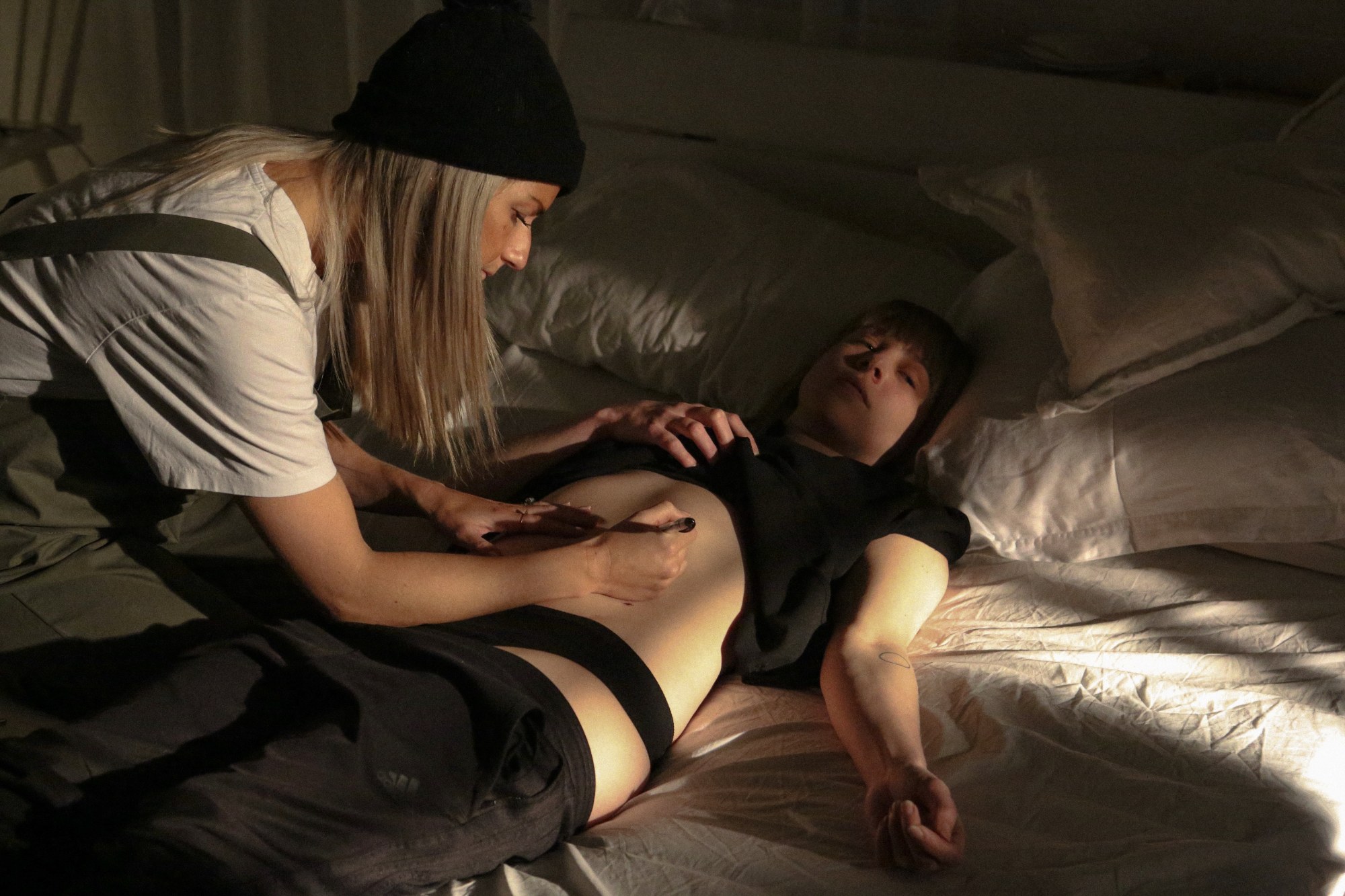
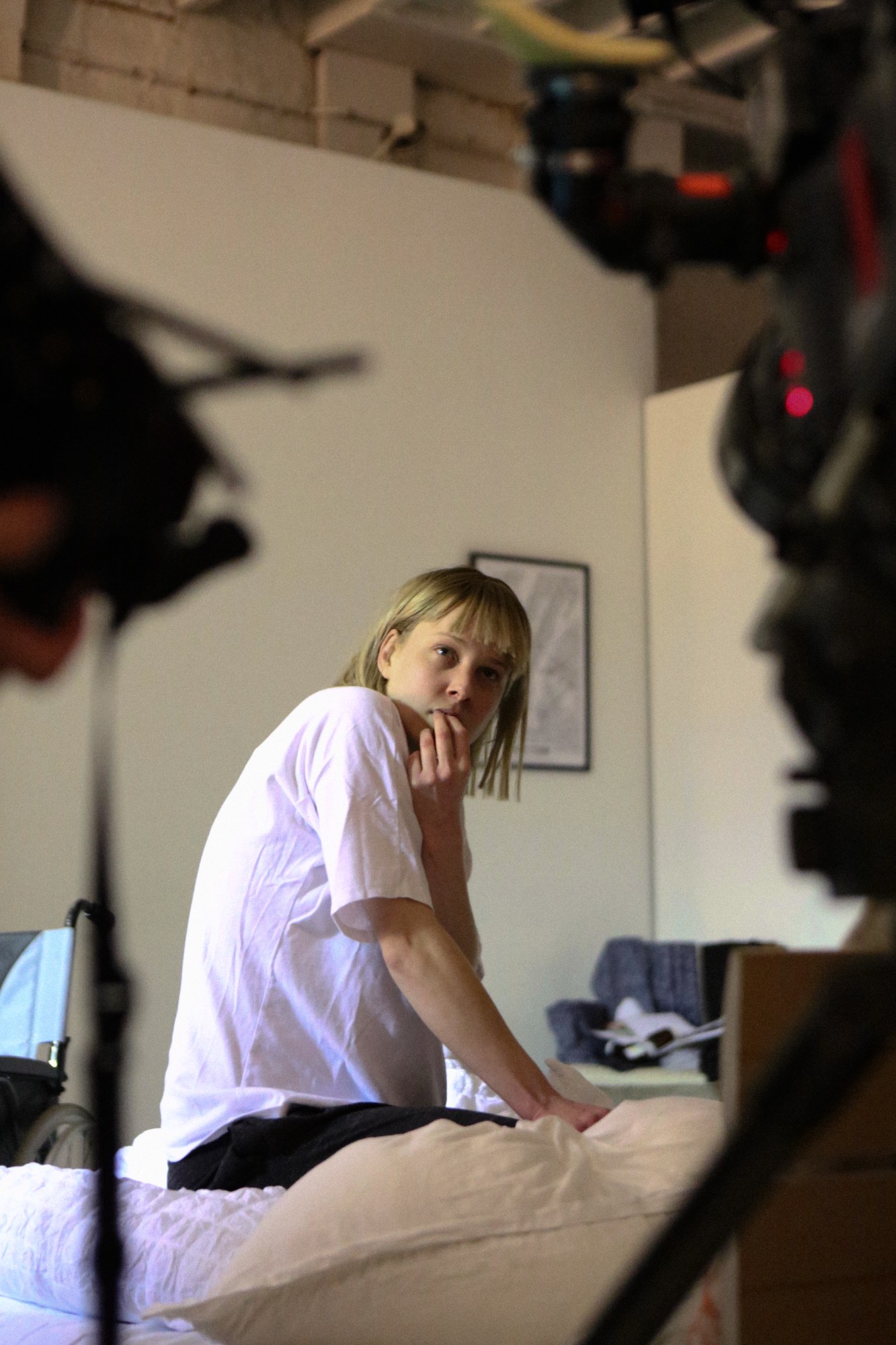
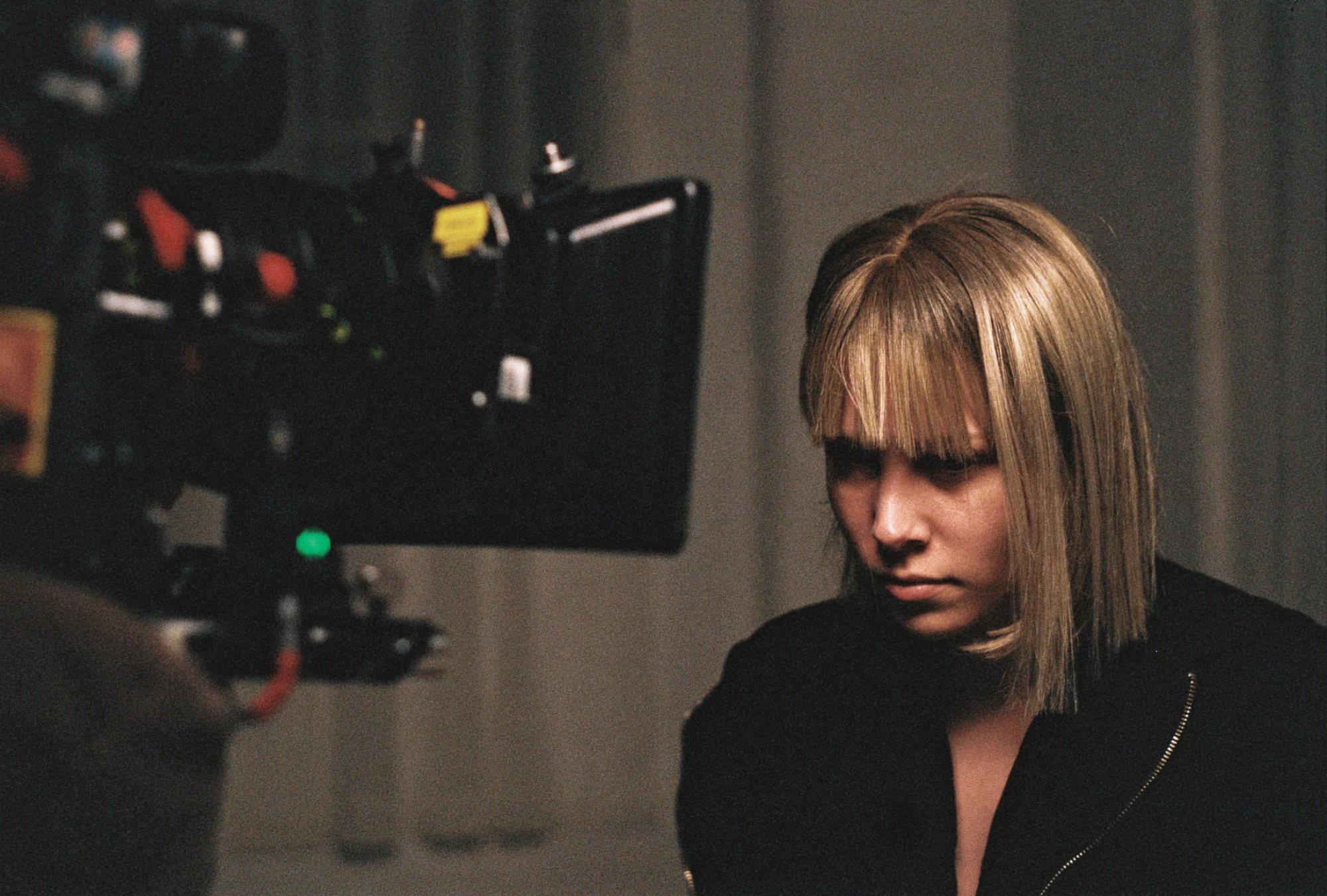
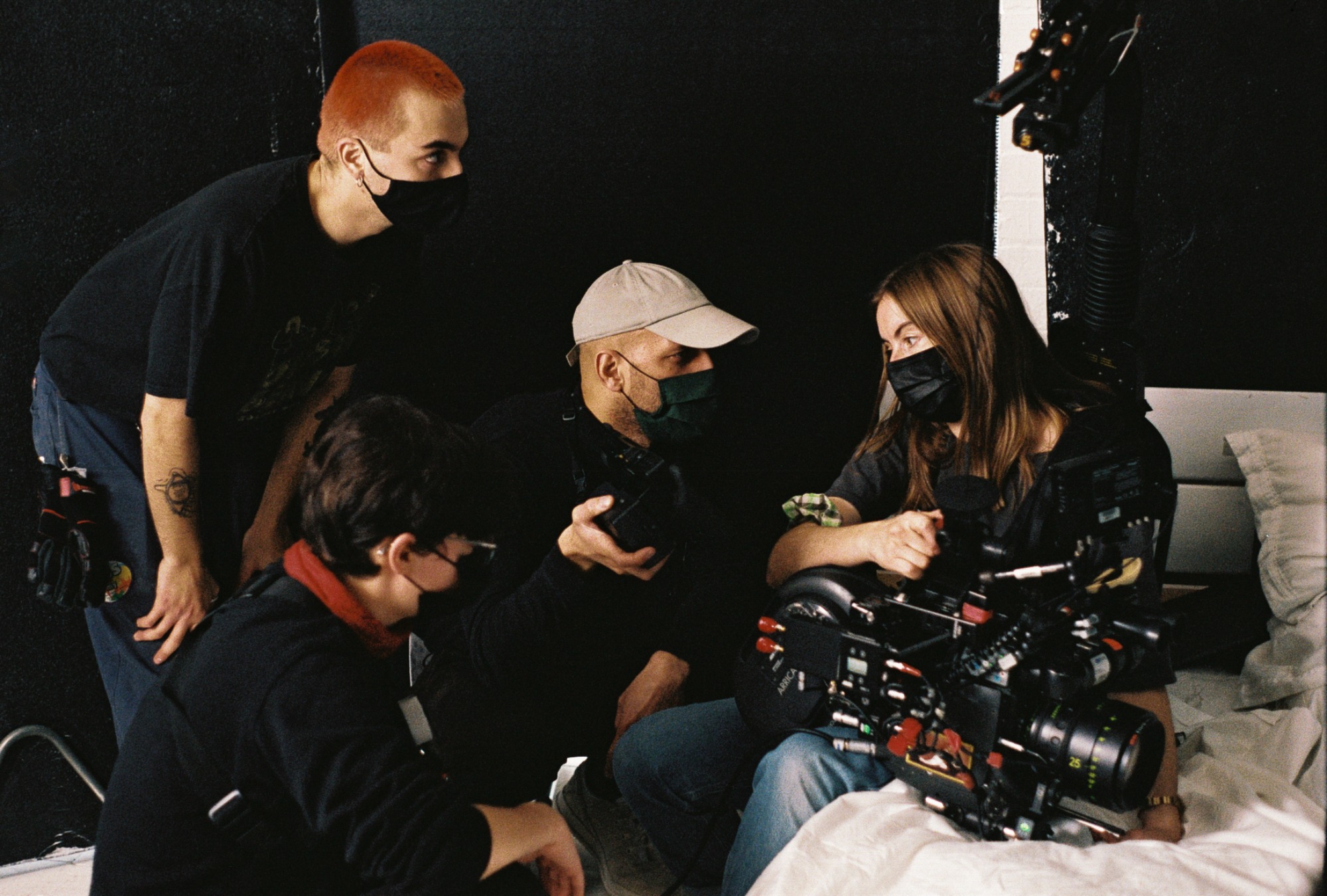
This Is Endometriosis employs memory-like reconstructions alongside raw self-documentation. How did you negotiate the tension between documentary truth-telling and expressive reconstruction? How did you want that ambiguity to serve the experience of living with a disease that often isn’t believed?
MH: The question is beautifully put. I’m very interested in intimacy and reality in all my work but I’m also excited by the power of film to express something beyond the world. To me, ultimately, truth is a feeling. When we did our first recorded interview together, what Georgie was describing was – at times – almost a hallucination of her past with worlds blurring into one another and time folding in on itself. But alongside that, there was also the stark reality of numbers and forms, hospital visits and appointments, and so the blend of memory-like reconstruction and raw self-documentation felt very natural.
Our mantra throughout was that we wanted to give some sense of how endometriosis can feel for Georgie. That feeling is not a fixed thing: it encompasses self-doubt, confusion, unreliable memory. The fractured, hallucinatory style is a way of expressing that ambiguity. There was a real balance to be struck between taking the audience through that disorientation while also landing the truth of the disease in all its cruel reality.
GW: Yeah, right. There’s also something very cathartic about taking something so traumatic and turning it into art. It helps me process everything that’s happened and somehow makes the situation a little easier to cope with. Making good from the bad has always felt like a way of taking ownership.
Most Popular
The film features sequences where still photographs are presented at varying paces—some linger, some flash rapidly, some feel almost like stop-motion animation. What determined these different rhythms?
GW: This whole journey began with a photography series so it was obvious to us that photographs should play an important role in the film. I have many, many photographs that are important to me and that I feel say something important about endometriosis – whether that’s the pain that we go through or the beautiful community that has become so important in my life. But the rhythms that you mention are all down to Matt and his brilliant editing instincts.
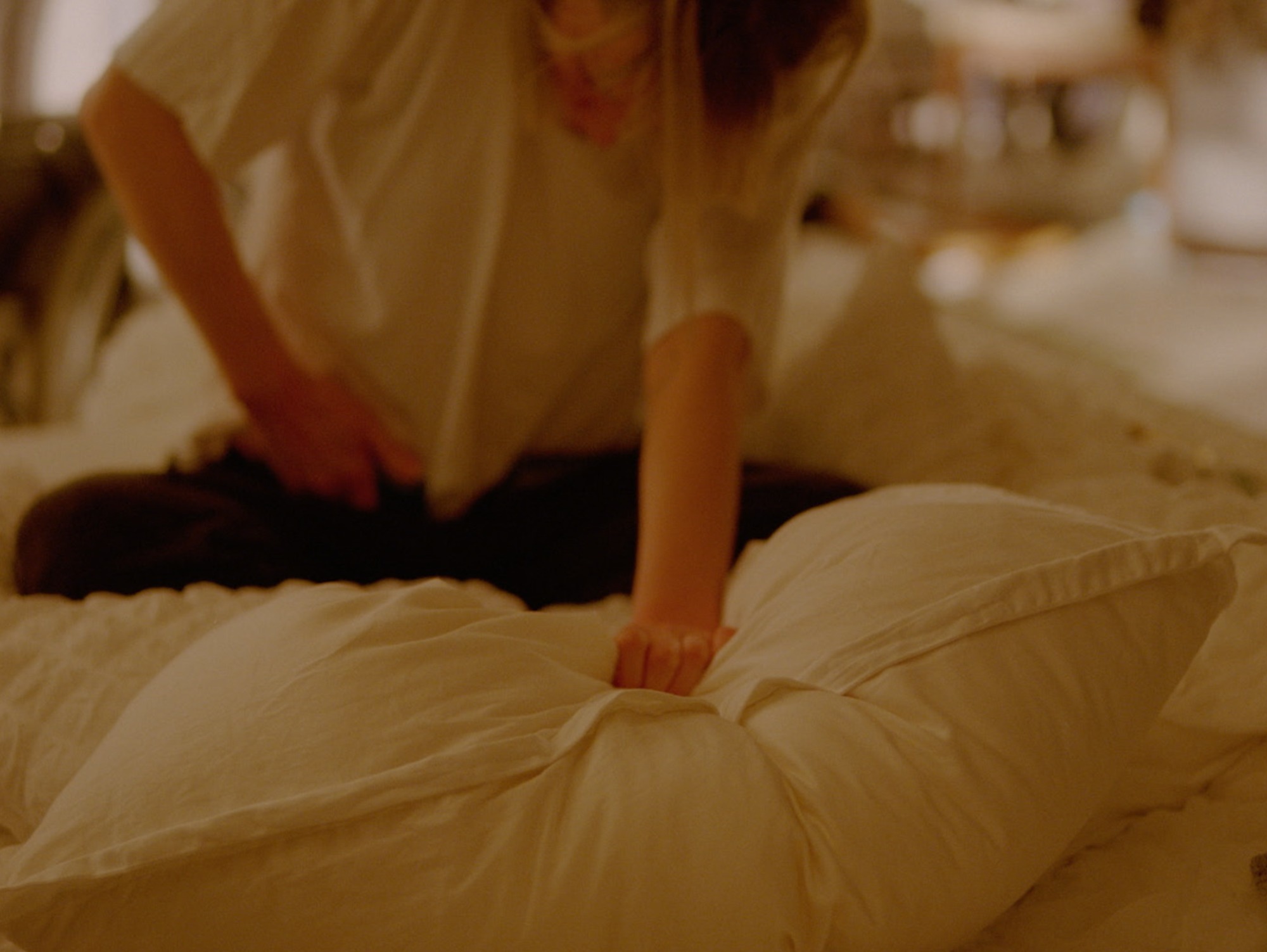
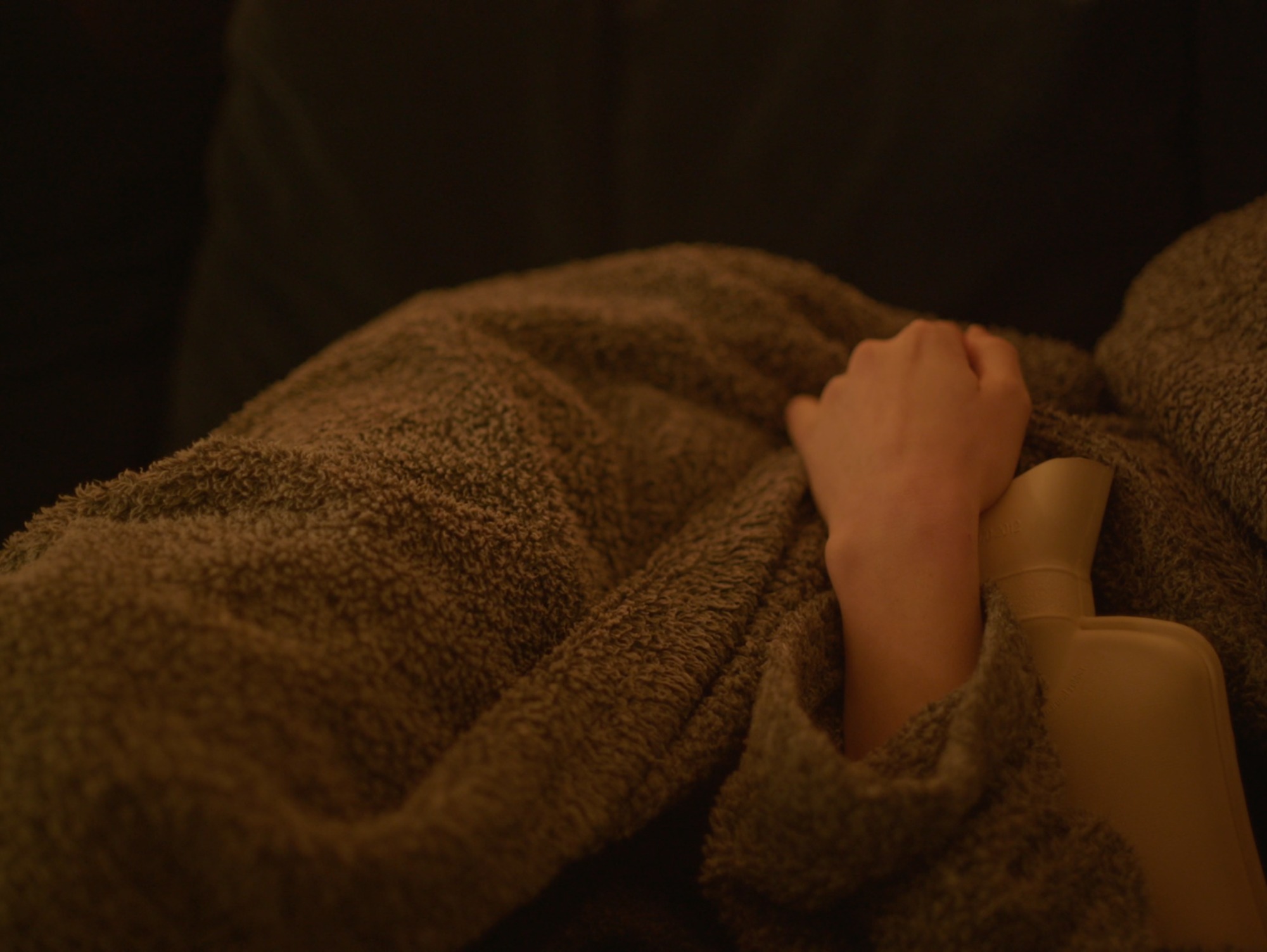
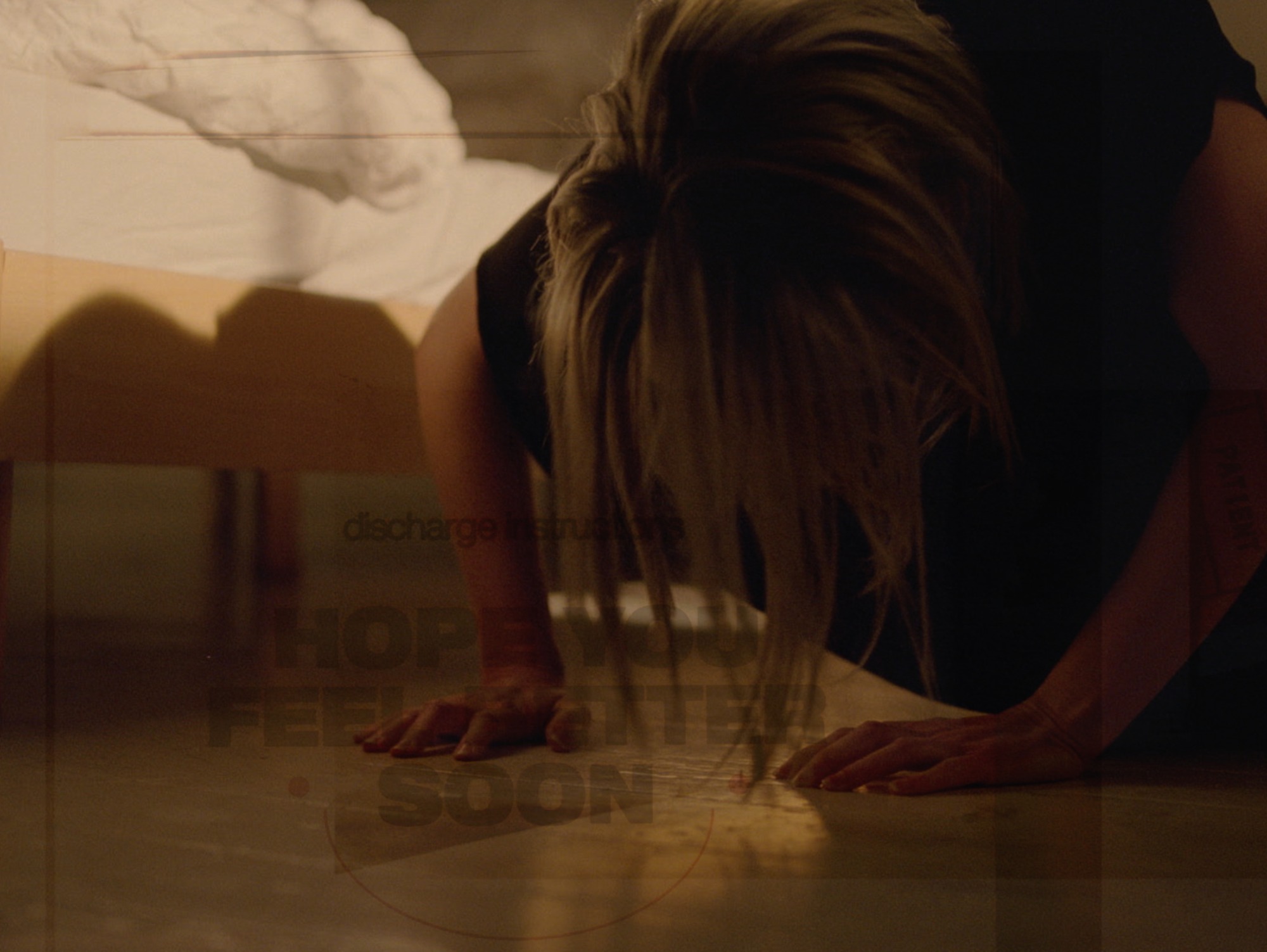
One of the key pillars of the film is the exploration into the time lost by Georgie because of the endometriosis. How did you translate this into concrete editorial and structural choices? Were there specific decisions about pacing, or the ordering of past and present that materialise this theft of time formally rather than just narratively?
MH: Yeah, very much so. We had a pretty vast amount of material, and as you can imagine, there was a delicacy to almost all of it. Tracking a path through it that an audience could comprehend felt like where the film would live or die – but we also wanted to leave plenty of space for interpretation. In some ways, the edit was deeply meticulous and in others, totally instinctive. During a project, I’m always on the lookout for a theme or a concept – or even just a word – that I can draw clarity from when I need something concrete to wrap a feeling around. Somewhere in the middle of the edit, it clicked that this was ultimately a film about time and how endometriosis has robbed Georgie of that in so many inexplicable ways. Once we’d articulated that, the structural and editorial decisions began to fall quite naturally into place.
The edit went through many iterations and we experimented with lots of different ways of telling Georgie’s story but whenever we got a little lost, we just returned to that core idea. It also feels really important to mention our unbelievable producer Harriette Wright, who was such an important creative partner in all of this. When it came to juxtaposing certain images, or being true to a specific timeline vs bending and reshaping it, I would often just try something and share it directly with Harriette. It’s hard to comprehend how many hours she and I spent talking on the phone about the film, and in particular, how this idea of looping, repeating time would work in practice. She was a totally crucial creative barometer for me throughout and both her and our co-producer Lauren Frankfort have been an unwavering support for both Georgie and I.
GW: Totally second that. Having someone as grounded as Harriette on our team so often calmed the very rocky waters that we were all swimming in and Lauren’s unshakeable enthusiasm for the campaign has been such an important force for us all. Not only amazing producers but wonderful human beings.
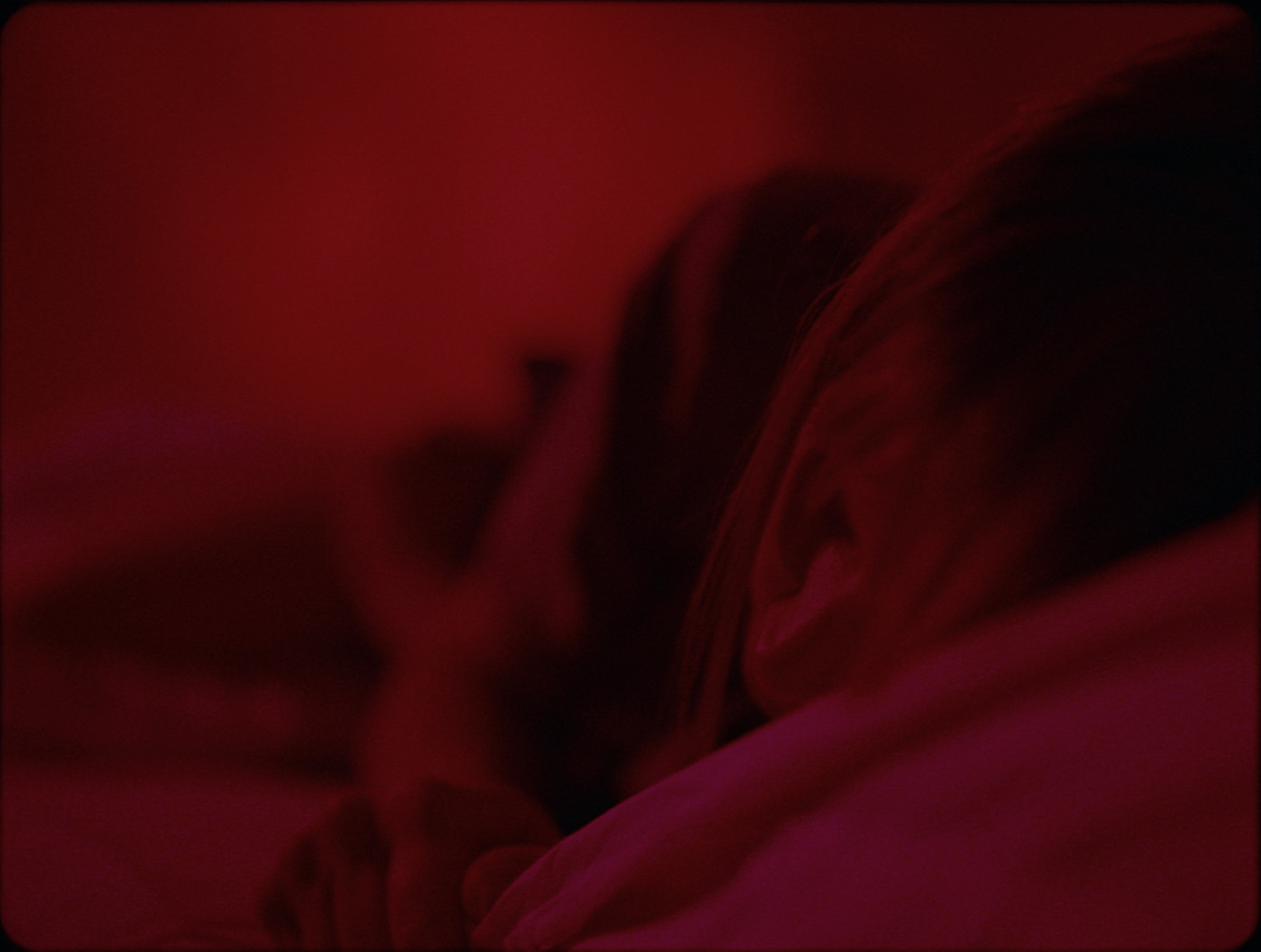
We wanted to make sure that we didn’t just paper over the silences and allowed space for moments that felt emotionally ambiguous.
Sound design in documentary can be invisible, or it can be expressive and interpretive. How did you approach the sonic construction of the film—particularly in relation to Georgie’s narration, the very essential silence or ambient sound in archive material?
MH: It felt like there was huge potential for the soundscape to always somehow be expressing Georgie’s inner world. Working with our sound designer Tom Jenkins, and the band Vanbur, our composers, we wanted to construct something that was both fragmented and coherent. Quietness and silence were important tools because they spoke somehow to the loneliness that Georgie has so often felt with the disease. We wanted to make sure that we didn’t just paper over the silences and allowed space for moments that felt emotionally ambiguous. In general, I think of the film as quite sparse but there are also sequences where we wanted to overwhelm the audience – to really put them inside the disorientation of Georgie’s experience.
A lot of my favourite things have been borne out of strict parameters and I’m generally very prone to constructing rules for myself – but with This Is Endometriosis we really let the sonic world be instinctive. If it felt right to leave the rough phone sound in there or to hear the home movies burbling away under a photograph, we were bold and just went with it.
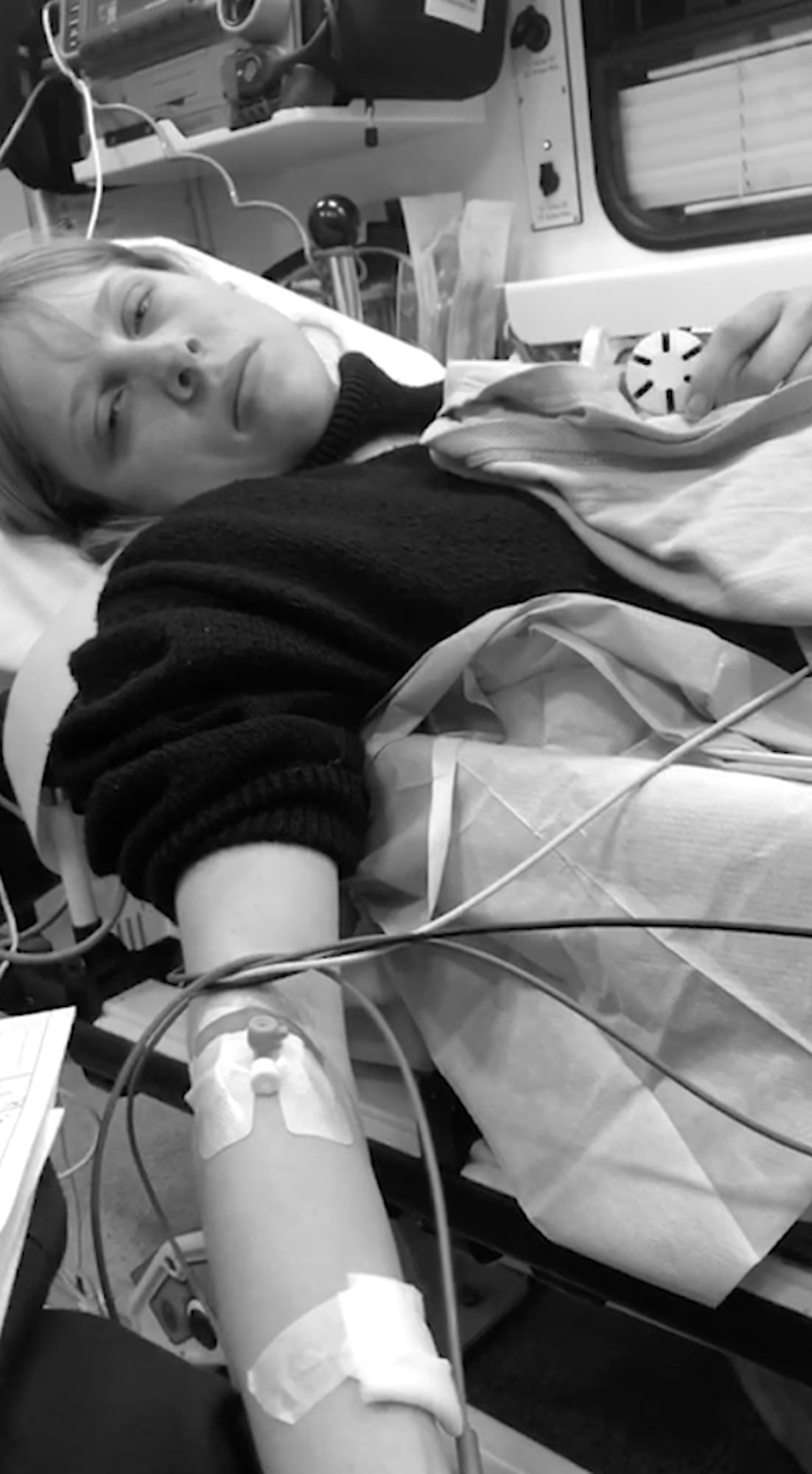
The addition of the doctor’s records came quite late but it landed immediately because it says something about how what is being written down often clashes with the lived reality.
The film incorporates doctors’ records as one of its key parts. Medical documentation carries its own visual and rhetorical language—clinical, distancing, bureaucratic. How did you approach integrating this administrative gaze into a film otherwise built from intimate, embodied perspectives?
GW: Detachment is a very familiar feeling to me and never more so than when I think about the sheer volume of doctors’ records that have been created during my life. It’s so common for people with endometriosis to experience this as overwhelming and we wanted some of that to echo through the film. The blur of time, treatments and appointments becomes a part of life. I could never name them all, never remember them all, never remember all the doctors’ names. That sense of detachment becomes routine. The addition of the doctor’s records came quite late but it landed immediately because it says something about how what is being written down often clashes with the lived reality.
You’ve mentioned Anna MacDonald, your cinematographer, as essential to the collaboration. Matt, you’ve spoken about being a lover of film language and shooting/editing your own work in the past. What did bringing in a dedicated cinematographer enable?
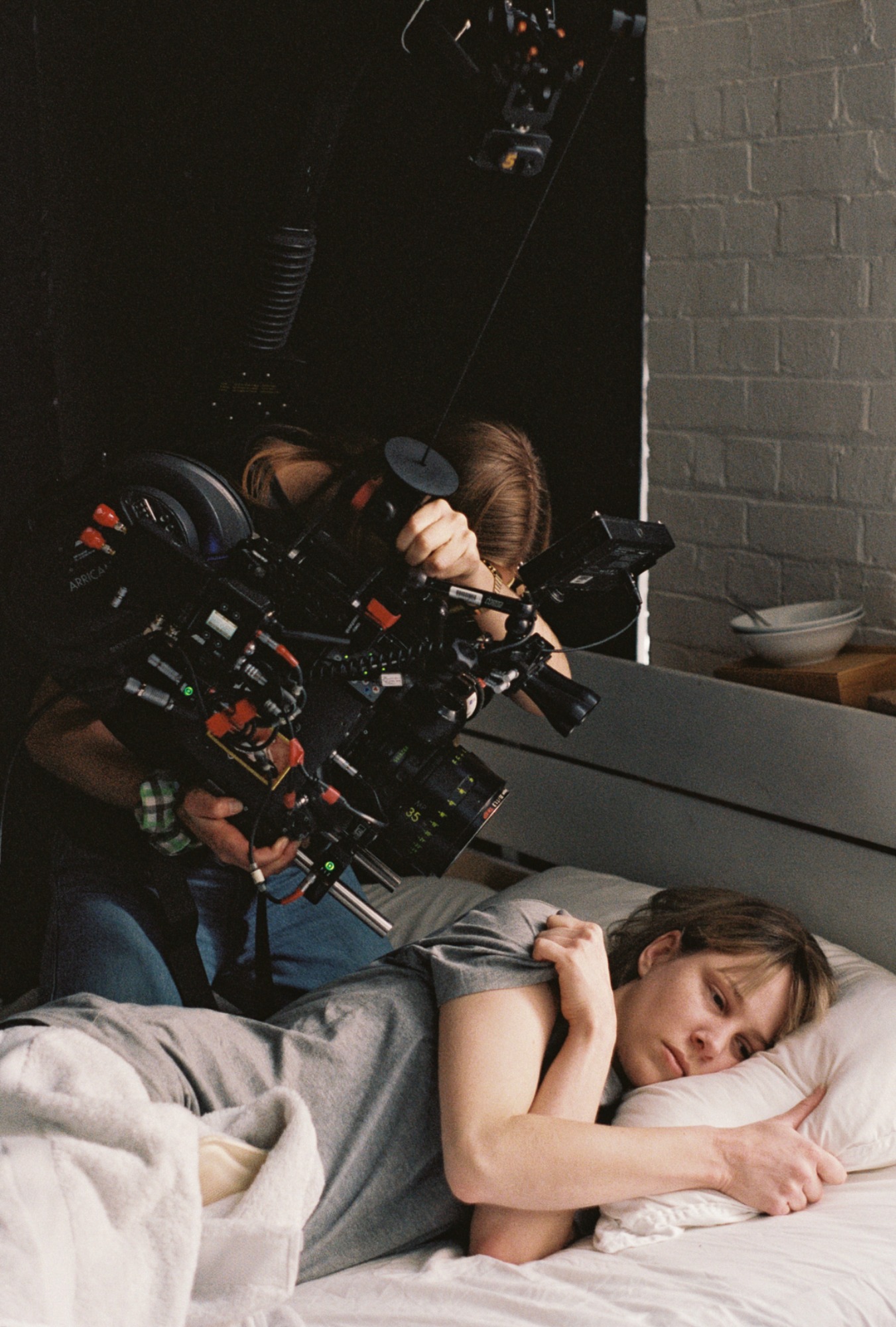
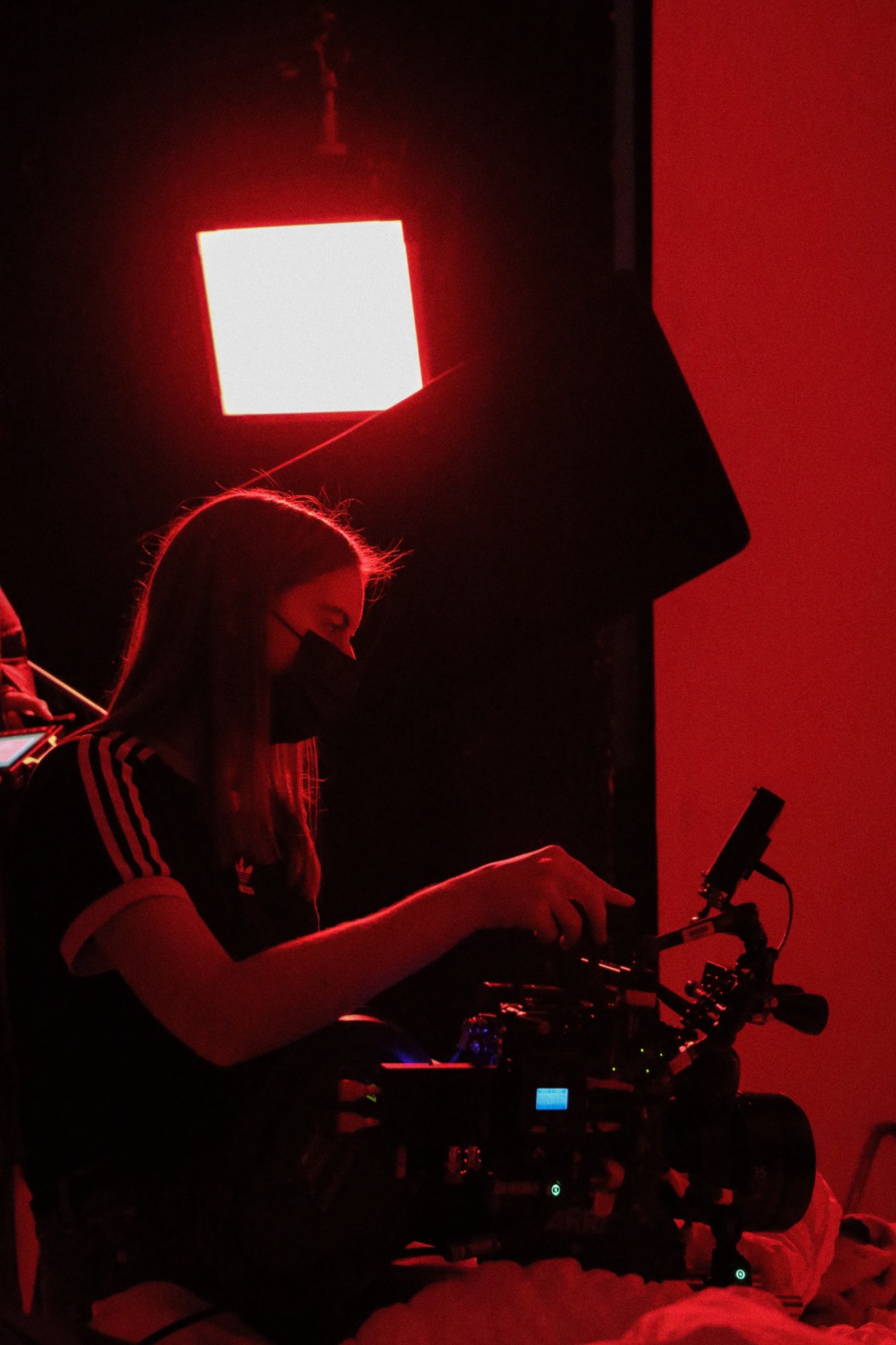
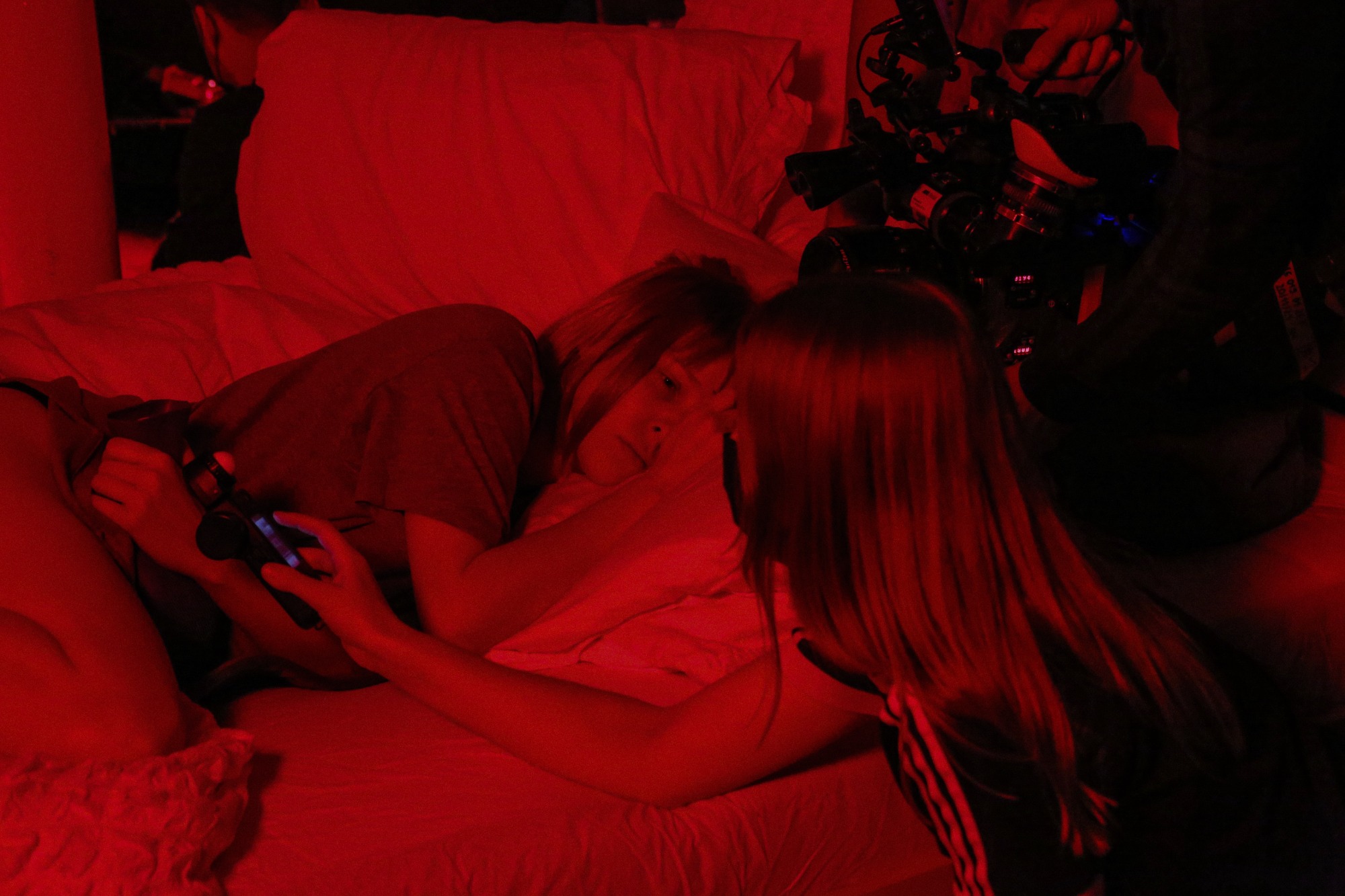
MH: Anna’s a good friend and I’ve worked with her a number of times before. As well as her eye and feel for cinema, she has such a sensitive, empathetic soul. She was a very natural fit. This wasn’t the kind of project where a cinematographer comes in just for the shoot days. Anna was extremely patient and giving with her time, and we were checking in with each other and sharing edits for months and months before we even started to think about shooting.
Georgie has visual motifs and ideas that circle through her photographs and a beautifully-trained eye for details. The visual style of the film is totally borne out of that: her perspective and artistic spirit resonate through everything. This was less about a forensic approach and more through osmosis, with Anna and I just absorbing it all and letting it exude from the imagery that we all created together.
In truth, I was very daunted by the prospect – I didn’t know what I could bring to a film about endometriosis.
What specifically made this film so unique, and how did it enable you to evolve as filmmakers?
MH: The film came about in a very organic way. Georgie and I were neighbours briefly, and we met one afternoon and chatted about photography. She told me a little about her life and that she wanted to make a documentary about endometriosis. After being so moved by her incredible photos, I offered to help however I could – watch an edit, any advice I could offer – but after speaking for a few months, Georgie asked if I’d consider making it together. In truth, I was very daunted by the prospect – I didn’t know what I could bring to a film about endometriosis.
GW: As someone who has lived their whole adult life with endometriosis, it’s an experience that I understand so deeply. 80% of the wider This Is Endometriosis team were also living with the disease, so there was already so much lived experience to draw from. I was interested to work with Matt because I wanted to make something that not only people with endo could relate to but also people who came to the subject with little or no knowledge of it. It felt like with the two of us together, we could make a film that spoke to both. Oh, and I love his work…
MH: Same! Georgie and I have always been very creatively aligned, so that side of it has always come very naturally. I think I described this as my most challenging film to date because I felt uniquely privileged that Georgie chose to work with me, and I felt the pressure of that privilege immensely. Making this film didn’t only help me evolve as a filmmaker, it helped me grow as a person and for that I will be forever grateful.
And what is next for you, Matt?
MH: I’m in post on my debut feature documentary, in development on a hybrid scripted feature based in India and currently writing my first fiction short. And I just had a son, so I’m a little tired…
Georgie, this is your first documentary after years of working in still photography. What have you discovered about moving image as a medium for this kind of work that photography couldn’t offer? And as you look ahead, how are the lessons from making this film influencing your approach to future projects?
GW: Endometriosis is a cruel disease because the highs and lows are so extreme. It’s so important to share because when you look okay one day and you can’t leave the house the next, no one believes you. Photographs of the reality of it all are shocking to those who have no idea endometriosis can look like this, but film can tell a fuller story of the hopes and dreams built and lost again. Even though endometriosis is a disease of intense physical pain, I feel like it’s the repeated heartbreaks and the loss of time and opportunity that’s most painful to live with. My current works-in-progress also explore injustices, raising awareness of issues that are close to my heart and bringing communities together. These projects are in different mediums than I have worked in before, including poetry, text-based art and I’m writing my first novel. I also have many future plans for the wider This Is Endometriosis campaign.
My new favourite question to ask filmmakers: I want to know the most memorable short film you have seen recently, or ever, or of all time, and why!
MH: I absolutely loved all of the BAFTA-nominated films. I was so moved by all of them in very different ways and felt very proud that our grassroots film is in such wonderful company. Also, Deborah Harry Does Not Like Interviews by Meghan Fredrich. A simple, moving, and wonderfully put-together archive film.